
When the Liver Stops Working: Acute and Chronic Liver Failure . The eyes turn yellow. The mind grows foggy. A medicine bought over the counter turns out to be the reason.
Medical disclaimer: This article is for general health education only. It does not replace examination, diagnosis, or treatment by a qualified doctor. Liver failure is a medical emergency. If you develop yellowing of the eyes or skin, confusion, vomiting blood, severe abdominal swelling, or easy bleeding, seek care at your nearest health facility immediately. Never exceed recommended doses of paracetamol.
A young man is brought to a district hospital in Tamale confused and vomiting. His friends say he has had fever and body aches for three days and has been taking “pain tablets” around the clock — several brands, all containing paracetamol, because nobody told him the doses add up. His eyes are yellow. He bruises easily. He does not know where he is. In another bed, a middle-aged woman with known hepatitis B — diagnosed years ago but lost to follow-up — returns with a swollen abdomen, ankle oedema, and sleepiness that her family first blamed on witchcraft before a neighbour mentioned jaundice.
Both patients have liver failure. One acutely, from drug toxicity. One chronically, from viral hepatitis progressing to cirrhosis. Both need urgent recognition. In Ghana, where paracetamol is widely available without prescription and hepatitis B remains endemic despite vaccination programmes, these are not rare presentations. They are patterns we must know.
What Liver Failure Means
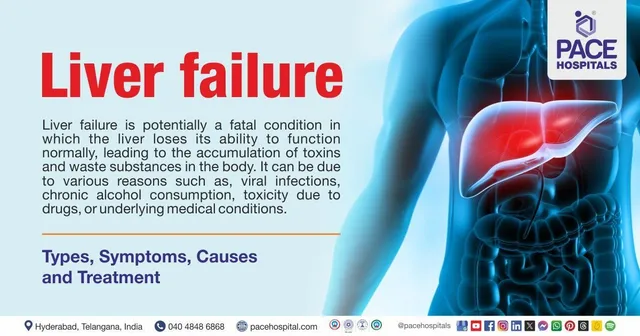
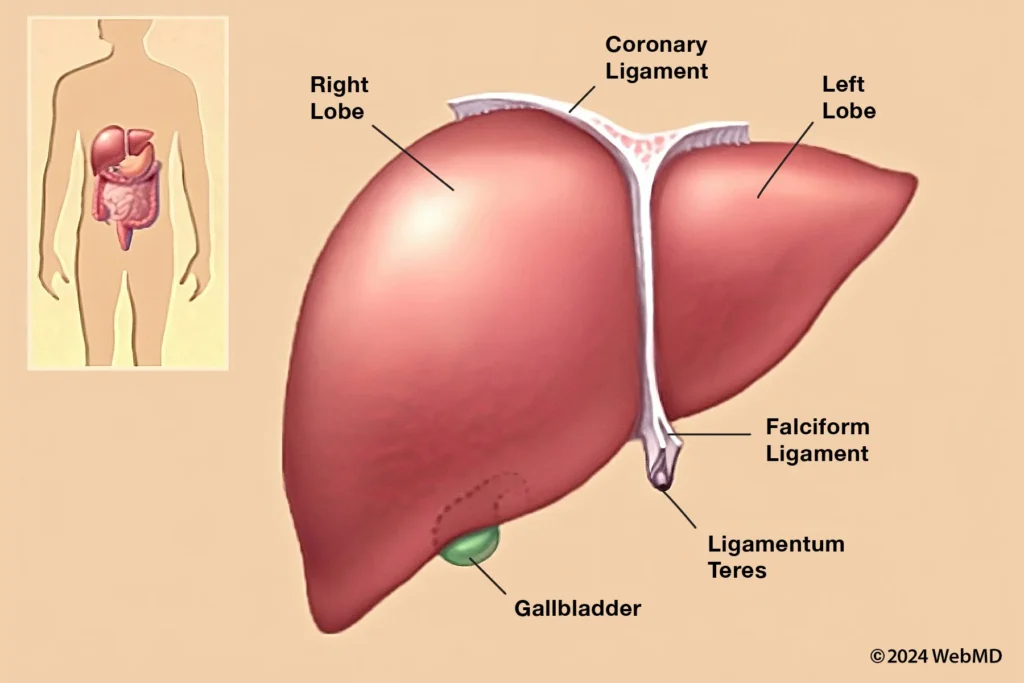
Liver failure occurs when large portions of the liver become damaged beyond repair and the organ can no longer carry out its normal functions adequately. The liver processes nutrients, produces proteins, detoxifies harmful substances, stores vitamins, produces bile, metabolises drugs, and manufactures blood clotting factors. When it fails, nearly every organ system suffers.
The condition may be:
Acute liver failure — develops rapidly within days or weeks in a previously healthy liver; a
medical emergency
Chronic liver failure — develops slowly from long-standing liver disease, usually associated
with cirrhosis
Acute-on-chronic liver failure — acute injury superimposed on chronic liver disease
What the Liver Does — and What You Lose When It Fails
Understanding normal function clarifies the symptoms:
Function When it fails Detoxification Toxins accumulate; hepatic encephalopathy develops Protein synthesis Low albumin causes oedema and ascites; clotting factors drop
Bile production Jaundice, pale stool, itching
Drug metabolism Medications become dangerous at ordinary doses
Nutrient storage and metabolism Fatigue, malnutrition, metabolic instability
Risk increases with alcohol abuse, viral hepatitis, obesity, diabetes, and drug toxicity. Chronic liver disease is a major cause of hospitalisation and death globally.
Causes: Two Different Stories
Acute liver failure
Drug toxicity is one of the commonest causes. Overdose of paracetamol can cause severe liver injury — including when multiple products containing paracetamol are taken together, or when therapeutic doses are exceeded during fasting, alcohol use, or malnutrition. Other causes of acute failure include:
Viral hepatitis — hepatitis A, B, and E
Poisoning — mushroom poisoning, industrial toxins
Autoimmune hepatitis — immune attack on liver cells
Ischemic injury — reduced blood supply damages the liver Chronic liver failure
Chronic alcohol use — alcoholic liver disease progresses gradually; a major global cause
Chronic viral hepatitis — especially hepatitis B and C; hepatitis C commonly causes cirrhosis
Non-alcoholic fatty liver disease — associated with obesity and diabetes; increasingly common
Autoimmune liver disease — chronic inflammation causes fibrosis
Genetic disorders — hemochromatosis, Wilson disease
Chronic bile duct disease — primary biliary cholangitis, primary sclerosing cholangitis
Clinicians use HEPATITIS as a causes mnemonic: Hepatitis viruses, Excess alcohol, Poisoning, Autoimmune disease, Toxins/drugs, Inherited disorders, Tumors, Ischemia, Steatohepatitis.
Risk factors map neatly to LIVER: Long-term alcohol use, Infections (hepatitis), Viral exposure, Excess weight, Risky drug use — with additional contributions from age, diabetes, certain medications, and family history of inherited metabolic disease.

Ghana-specific context
Paracetamol overdose — intentional or accidental — remains a preventable cause of acute liver failure. Community education about maximum daily doses, the danger of combining products, and the availability of N-acetylcysteine as an antidote when given early is essential at every level of care.
Hepatitis B drives much of the chronic liver disease burden. Vaccination against hepatitis B is one of the most effective prevention strategies we have — yet patients still present with cirrhosis from undiagnosed or untreated chronic infection. Safe sexual practices, avoidance of shared needles, and antiviral therapy for chronic hepatitis B where indicated all matter.
Pathophysiology: From Injury to SCAR
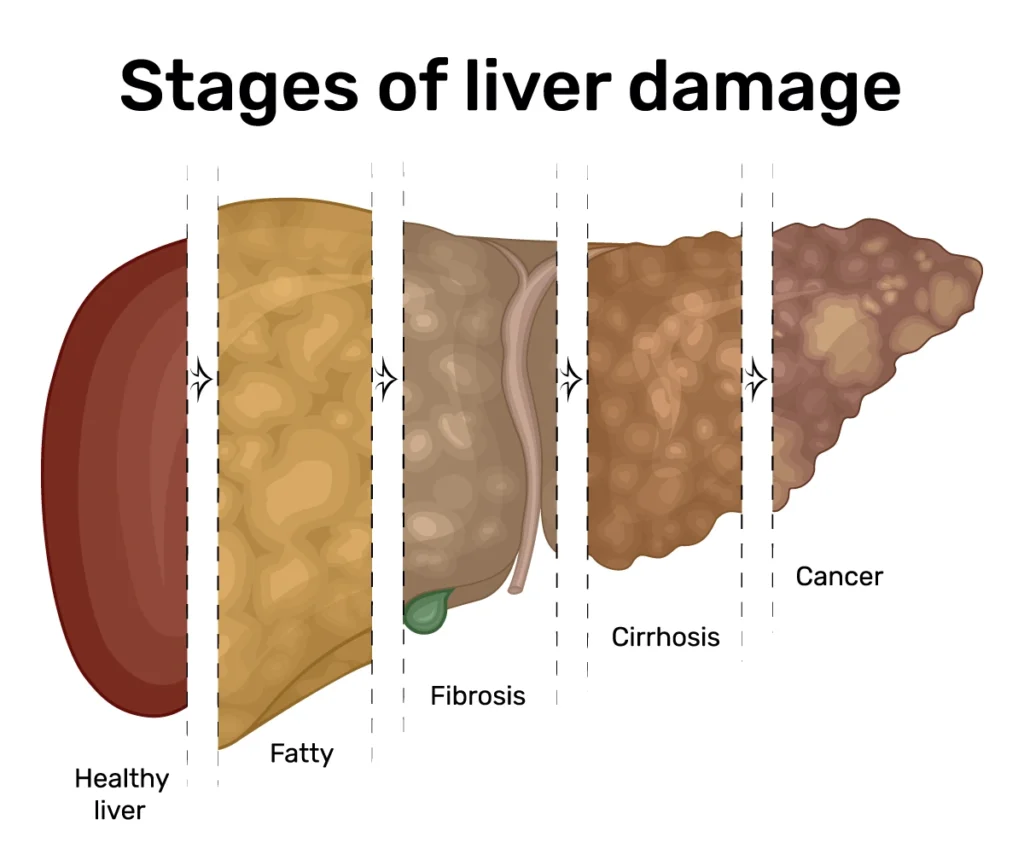
Liver failure develops through progressive hepatocyte injury:
- Liver cell damage — toxins, infection, or inflammation injure hepatocytes
- Inflammation — inflammatory responses worsen injury
- Fibrosis — scar tissue develops gradually
- Cirrhosis — normal liver architecture becomes distorted
- Reduced liver function — detoxification, protein production, and metabolism fail
- Portal hypertension — scarring blocks blood flow through the liver
- Multi-organ dysfunction — toxins and metabolic abnormalities affect other organs
The mnemonic SCAR captures the progression: Scarring, Cirrhosis, Albumin reduction, Reduced detoxification.
Key pathophysiological features include hyperbilirubinemia (jaundice), coagulopathy (bleeding from reduced clotting factors), hypoalbuminemia (oedema and ascites), and hepatic encephalopathy (toxins affecting brain function — a major complication).
Signs and Symptoms: What to Recognise
Symptoms vary by severity and duration. Early symptoms include fatigue, weakness, loss of appetite, nausea, vomiting, and right upper abdominal discomfort. Progressive symptoms include:
Jaundice — yellow discoloration of skin and eyes
Dark urine and pale stool — disrupted bilirubin processing
Itching — from bile salt accumulation
Ascites — fluid in the abdomen
Leg swelling — from low albumin
Easy bruising and bleeding — impaired coagulation
Confusion, sleep disturbance, tremors — hepatic encephalopathy; asterixis may develop
Spider angiomas and gynecomastia — hormonal and vascular changes in chronic disease
Severe disease may progress to coma, severe infection, and gastrointestinal bleeding from portal hypertension.
The signs mnemonic JAUNDICE is worth knowing: Jaundice, Ascites, Unable to clot, Nausea, Dark urine, Itching, Confusion, Edema.
Diagnosis
Diagnosis combines clinical assessment and investigations.
History should cover alcohol use, full drug history (including herbal and over-the-counter medicines), hepatitis risk factors, and family history.
Physical examination may reveal jaundice, ascites, oedema, and confusion.
Investigations include:
Test Purpose
Liver function tests (ALT, AST, bilirubin, albumin)
Assess injury and synthetic function
Coagulation profile (INR) Elevated when clotting factor production fails
Viral hepatitis screening Identifies infectious causes
Ultrasound Evaluates liver structure and ascites
CT or MRI Detailed imaging when needed
Liver biopsy Sometimes required to identify underlying disease
Do not wait for every result before admitting a confused, jaundiced patient.
Complications: The BLEEDS Framework
Liver failure leads to life-threatening complications.
BLEEDS helps recall them: Bleeding varices, Liver cancer (hepatocellular carcinoma in chronic disease), Encephalopathy, Edema/ascites, Dysfunction of kidneys (hepatorenal syndrome), Sepsis.
Specific complications include:
Hepatic encephalopathy — toxin buildup affecting the brain
Spontaneous bacterial peritonitis — infected ascitic fluid; life-threatening
Variceal bleeding — portal hypertension causes fragile oesophageal veins that may rupture
Hepatorenal syndrome — kidney failure from severe liver disease
Coagulopathy — severe bleeding risk
Respiratory failure — from fluid overload and infection
Malnutrition — poor appetite and impaired metabolism
Liver cancer — chronic liver disease increases hepatocellular carcinoma risk
Management: Treat Cause, Prevent Collapse
Management depends on severity and cause.
Initial stabilisation
Severe liver failure requires hospital admission, close monitoring, and ICU care when critically ill.
Airway and breathing support may be needed. Fluid and electrolyte management requires careful balance — these patients do not tolerate sloppy resuscitation.
Treating the underlying cause
Stop alcohol consumption — essential in alcoholic liver disease
Antiviral therapy — for hepatitis infections
Antidotes — N-acetylcysteine for paracetamol overdose; time-critical
Immunosuppressive therapy — for autoimmune hepatitis Supportive and complication-specific care
Nutritional support — high-calorie diets, vitamin supplementation, careful protein management in encephalopathy
Ascites — salt restriction, diuretics, paracentesis
Hepatic encephalopathy — lactulose, antibiotics
Variceal bleeding — endoscopy, band ligation, blood transfusion
Infection prevention — antibiotics when indicated Liver transplantation is definitive treatment for end-stage liver failure and can significantly improve survival — though access varies and referral pathways in Ghana require early identification at centres that can stabilise and refer appropriately.
A note for practice in Ghana
When a patient presents after paracetamol ingestion, establish the dose and time elapsed, start N-acetylcysteine without delay where available, and refer if encephalopathy or coagulopathy is worsening. When a patient with known hepatitis B reappears after years lost to follow-up, restart viral assessment and evaluate for cirrhosis — ascites and confusion are not inevitable
endpoints if complications are managed early.
Prevention: Most Cases Are Preventable
Avoid excess alcohol
Vaccination — vaccines against hepatitis A and B are important; ensure childhood hepatitis
B immunisation and catch-up for unvaccinated adults where programmes allow
Safe medication use — avoid overdose; never combine multiple paracetamol-containing products; respect maximum daily doses
Healthy weight — reduces fatty liver disease risk
Safe sexual practices and no needle sharing — prevent hepatitis transmission
Prognosis
Prognosis depends on cause, severity, complications, and access to transplantation. Acute liver failure may progress rapidly. Chronic liver failure often worsens gradually over years.
With proper medical care, early intervention, and long-term follow-up, many patients achieve improved outcomes and better quality of life.
Liver failure also carries psychological and social weight — affecting mental health, employment, family relationships, and financial stability. Anxiety and depression deserve attention alongside the bilirubin.
Key Takeaways
Liver failure may be acute, chronic, or acute-on-chronic; all require urgent medical assessment when severe
Paracetamol overdose is a common cause of acute liver failure — N-acetylcysteine given early saves lives
Hepatitis B and chronic alcohol use are major drivers of chronic liver failure and cirrhosis in Ghanaian practice
Jaundice, ascites, confusion, and bleeding should trigger immediate investigation
Hepatic encephalopathy, variceal bleeding, hepatorenal syndrome, and sepsis are the complications that kill
Vaccination, safe drug use, and hepatitis treatment prevent more cases than any ICU intervention
The liver does not fail loudly at first. It fails in fatigue, in nausea, in a slight yellow tinge easy to miss in dim light — until the brain fog arrives and the family panics. Recognise the early signs, ask about every medicine including over-the-counter pain tablets, screen for hepatitis, and treat before the liver runs out of reserve.
For liver failure management in Ghana, proceed to the nearest hospital with laboratory and monitoring capacity. Teaching hospitals in Accra, Kumasi, Tamale, and other regional centres
can support referral for advanced care including transplantation assessment. If you manage chronic hepatitis B, establish long-term follow-up — cirrhosis is not the only possible outcome when viral replication is controlled.
Disclaimer
The information contained in this post is for general information purposes only. The information is provided by Overview Of Chronic Liver Failure and while we endeavour to keep the information up to date and correct, we make no representations or warranties of any kind, express or implied, about the completeness, accuracy, reliability, suitability or availability with respect to the website or the information, products, services, or related graphics contained on the post for any purpose.