A man in his thirties sits on a bench outside an HIV clinic in Accra, breathing faster than the walk from the bus stop should require. He tells the nurse his cough is dry — nothing comes up when he clears his throat. He has had it for two weeks. He feels tired. He thinks it is malaria, or maybe the harmattan air. He is on antiretroviral therapy. He missed his last CD4 check. He stopped taking Septrin months ago because the tablets upset his stomach and he felt well enough without them. That combination — underlying HIV, weakened immunity, a dry cough that will not settle, breathlessness that worsens by the day — is exactly how Pneumocystis jirovecii pneumonia (PJP) announces itself. Before antiretroviral therapy became widely available, this infection was one of the leading causes of illness and death among people with advanced HIV/AIDS. It still kills when we miss it.
What PJP Actually Is
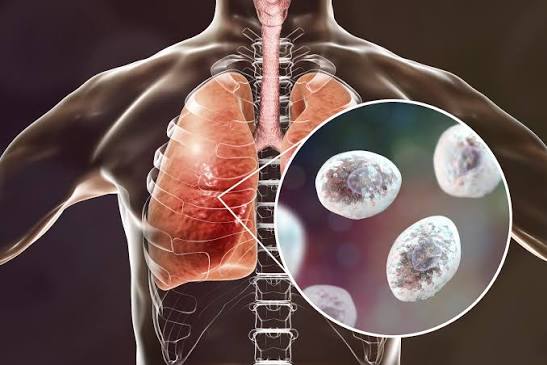
Pneumocystis jirovecii pneumonia is a severe opportunistic fungal infection of the lungs caused by Pneumocystis jirovecii. The disease mainly affects individuals with weakened immune systems. In healthy people, the immune system usually controls the organism without causing disease. Many people are exposed during childhood through airborne transmission and respiratory
droplets. The fungus sits quietly until immunity fails. In people with severe immune suppression — especially those with low CD4 cell counts — the organism multiplies in the lungs and causes severe pneumonia.
PJP is considered an AIDS-defining illness. It commonly occurs when the immune system becomes severely weakened. Without early diagnosis and treatment, it may rapidly progress to respiratory failure and death.
Why This Matters in Ghana’s HIV Clinics
If you work in ART clinics, district hospitals, or community health programmes, you already know the rhythm: test, treat, monitor CD4, prescribe Septrin prophylaxis when counts fall, counsel on adherence. PJP sits at the centre of that story.
The infection is most common in:
Patients with untreated HIV/AIDS
Individuals with severe immunosuppression
Organ transplant recipients
Cancer patients receiving chemotherapy
Before antiretroviral therapy became widely available, PJP was extremely common in HIV patients.
ART and co-trimoxazole prophylaxis changed that landscape — but only when patients actually receive and take them.
The strongest risk factor is a low CD4 count. Risk rises greatly when CD4 falls below 200 cells/mm³.
Other important risk factors include poor ART adherence, advanced HIV disease, previous opportunistic infections, malnutrition, smoking, chronic lung disease, and immunosuppressive medications such as steroids and chemotherapy.
Clinicians sometimes group these with the mnemonic LOW CD4: Late-stage HIV, Opportunistic infections, Weak immunity, CD4 decline, Drug noncompliance, 4 = CD4 below 200.
PJP may occur at any age in HIV patients. However, severe disease is more common in adults with advanced untreated HIV, infants born with HIV, and elderly immunocompromised patients.
How the Disease Develops in the Lungs
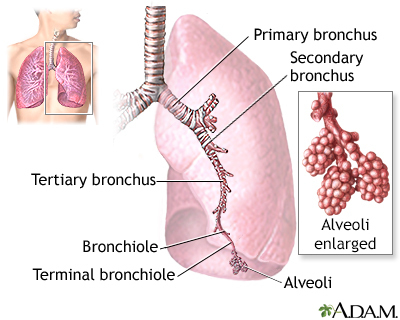
The pathophysiology follows a predictable chain. HIV destroys CD4 T lymphocytes, weakening cellular immunity. Without adequate immune defence, Pneumocystis jirovecii multiplies within the alveoli. Inflammatory cells accumulate. Alveolar membranes thicken. Gas exchange becomes impaired. Oxygen cannot move efficiently into the blood. Progressive hypoxia follows. Severe untreated disease may become fatal.
An important pathological feature: alveoli become filled with foamy, protein-rich material.
Another way to remember the cascade is FUNGUS: Fungal proliferation, Underactive immunity, Narrowed gas exchange, Gradual hypoxia, Uncontrolled inflammation, Severe respiratory distress.
What Patients Feel — and What You Hear on Examination
Symptoms usually develop gradually over days to weeks. The pattern matters more than any single complaint.
The most important symptom is progressive shortness of breath — initially during exertion
later even at rest. Patients typically have a dry cough, usually nonproductive. Fever is common.
Fatigue can be profound. Other features include chest tightness during breathing, rapid breathing as the body compensates for low oxygen, weight loss, night sweats, and in severe hypoxia, cyanosis — bluish discoloration of the lips or skin.
On examination, doctors may observe tachypnea, tachycardia, low oxygen saturation, and respiratory distress. Here is the trap that catches busy clinicians: the chest examination may appear almost normal early in the disease. Do not let a quiet chest reassure you when the story does not fit.
When the clinical picture clusters — dry cough, progressive breathlessness, fever, fatigue, underlying HIV — think DRY LUNG: Dry cough, Respiratory distress, Young and immunocompromised patients, Low oxygen, Underlying HIV, Night sweats, Ground-glass appearance on imaging.
Diagnosis: Suspicion First, Confirmation Second Diagnosis combines clinical suspicion, laboratory findings, and imaging. Start with the history:
HIV status, CD4 count, ART adherence, and the pace of respiratory symptoms.
Pulse oximetry shows reduced oxygen saturation. Arterial blood gas often reveals hypoxemia.
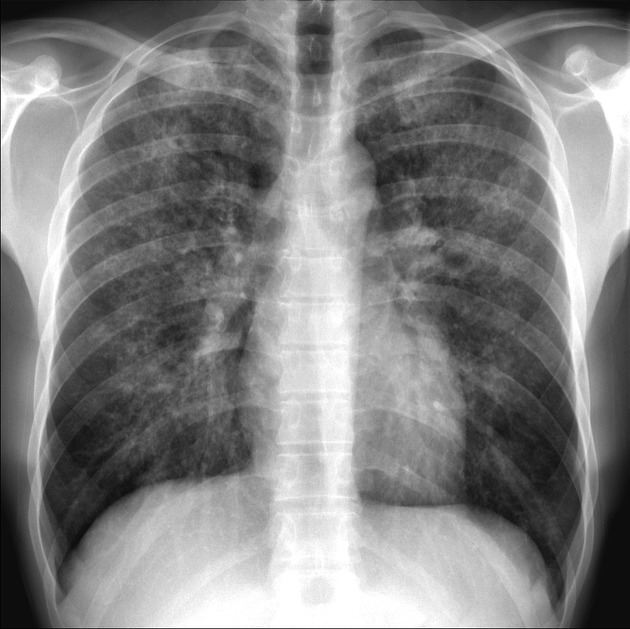
Chest X-ray may show bilateral diffuse infiltrates and a ground-glass appearance. CT scan is more sensitive than chest X-ray and may show diffuse ground-glass opacities.
Sputum examination with special staining techniques can identify Pneumocystis organisms.
Bronchoscopy with bronchoalveolar lavage is often used for definitive diagnosis and may obtain lung samples when less invasive tests are inconclusive.
Blood tests may show elevated lactate dehydrogenase (LDH) — common but nonspecific. CD4 count is usually very low. HIV viral load may be elevated in uncontrolled HIV.
Before confirming PJP, consider conditions that can look similar: tuberculosis, bacterial pneumonia, COVID-19, other fungal infections, and pulmonary oedema.
In Ghana, not every facility has bronchoscopy or CT. That does not mean you wait for perfect tests. A breathless HIV patient with low oxygen, bilateral infiltrates on chest X-ray, and CD4 below 200 warrants treatment while you pursue confirmation -especially when TB has been reasonably excluded or is being treated concurrently according to local protocol.
Complications When Treatment Is Delayed
Untreated PJP can become life-threatening. The most serious complication is respiratory failure; patients may require mechanical ventilation. Severe hypoxemia can drop oxygen levels
dangerously low. Pneumothorax — air leaking and collapsing the lung — may occur in severe
disease. Acute respiratory distress syndrome from severe lung inflammation is potentially fatal.
Secondary infections are common when immunity is already compromised. Advanced HIV may
cause weight loss and wasting. Without treatment, mortality is high.
Treatment: Start Septrin, Support the Breath, Restore Immunity
Treatment must begin quickly once PJP is suspected. The goals are to eliminate infection, improve oxygenation, support breathing, and restore immune function. Septrin (co-trimoxazole) — first line Co-trimoxazole, commonly called Septrin in many countries including Ghana, is the first-line treatment for PJP worldwide.
It contains trimethoprim and sulfamethoxazole and is highly effective against Pneumocystis jirovecii.
Septrin is one of the most important medications in HIV care — and its benefits extend well beyond treating active pneumonia. Think PROTECT: Prevents PJP, Reduces mortality, Opportunistic infection prevention, Treats active infection, Easy availability, Cost-effective, Tolerated by many patients.
Specifically, Septrin:
Treats active PJP as main first-line therapy worldwide
Prevents PJP when used as prophylaxis in HIV patients with low CD4 counts — dramatically reducing PJP-related deaths
Also protects against toxoplasmosis, certain bacterial infections, and some diarrhoeal diseases
Improves survival significantly through routine prophylaxis
Is low cost and widely available — especially valuable in resource-limited settings
Comes in oral and intravenous forms for flexible treatment
Is effective in children and adults across age groups
Septrin prophylaxis is commonly recommended when CD4 count falls below 200 cells/mm³ or during advanced HIV disease. Side effects are possible — skin rash, nausea, bone marrow suppression, allergic reactions — and severe reactions are uncommon but important to recognise. When Septrin cannot be tolerated, alternatives include pentamidine, atovaquone, and clindamycin with primaquine.
Other essential components
Corticosteroids such as prednisolone are used in moderate to severe PJP to reduce lung inflammation.
Oxygen therapy is essential for hypoxemia. Antiretroviral therapy improves immune function and must continue or be initiated according to HIV treatment guidelines.
Mechanical ventilation is needed in severe respiratory failure. Nutritional support matters in advanced HIV disease.
Prevention: The Work HIV Clinics Do Every Day
Prevention is not a separate lecture — it is the daily work of ART programmes.
- Early HIV diagnosis allows timely treatment before immunity collapses
- ART adherence maintains immune function and raises CD4 counts
- Septrin prophylaxis is a highly effective preventive measure when CD4 is low
- Regular CD4 monitoring helps identify high-risk patients before pneumonia strikes
- Nutritional support improves immune health When a patient stops Septrin because they feel fine, that is the moment for counselling — not dismissal. Feeling well with a CD4 below 200 is not the same as being protected.
Prognosis and the Human Side
Outcome depends on early diagnosis, severity, immune status, and access to treatment.
Patients treated early often recover well. Delayed treatment increases mortality risk.
PJP may cause anxiety, depression, social stigma, and fear of death. HIV counselling and emotional support are important — not optional extras after the antibiotics are prescribed.
Key Takeaways
PJP is a severe opportunistic fungal pneumonia, AIDS-defining, and most dangerous when CD4 falls below 200 cells/mm³
Classic presentation: progressive dry cough, breathlessness, fever, fatigue, hypoxemia — chest may sound deceptively normal early on
Diagnosis rests on clinical suspicion plus oxygen assessment, imaging, and microbiological testing where available
Septrin (co-trimoxazole) is first-line for both treatment and prophylaxis — one of the greatest advances in HIV medicine
Management also includes steroids in severe disease, oxygen, ART, ventilation when needed, and nutritional support
Early recognition and proper treatment save lives; skipping prophylaxis when CD4 is low is a gamble nobody should take
The man on the bench outside the clinic did not need a rare diagnosis. He needed someone to connect a dry cough, rising breathlessness, and a gap in his Septrin prophylaxis. That connection — made early — is still one of the most life-saving acts in HIV care.
If you are living with HIV, keep your clinic appointments, take your ART and Septrin as prescribed, and report new cough or breathlessness promptly. If you are a health worker, when DRY LUNG fits the story, act before the lungs fail.
Medical disclaimer: This article is for general health education only. It does not replace examination, diagnosis, or treatment by a qualified doctor. If you have HIV and develop worsening cough, fever, or difficulty breathing, seek care at your nearest health facility without delay.
Disclaimer
The information contained in this post is for general information purposes only. The information is provided by Overview Of Pneumocystis Jirovecii Pneumonia and while we endeavour to keep the information up to date and correct, we make no representations or warranties of any kind, express or implied, about the completeness, accuracy, reliability, suitability or availability with respect to the website or the information, products, services, or related graphics contained on the post for any purpose.