
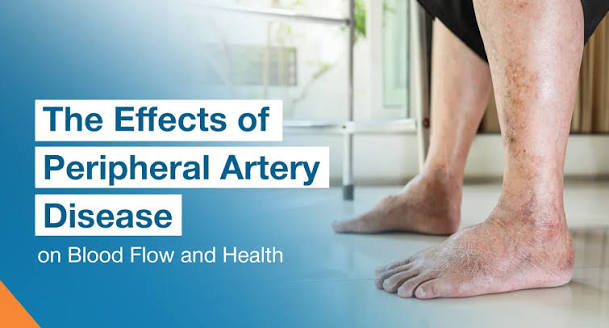
He is sixty-two and has been on haemodialysis for four years — three sessions a week at a unit in Kumasi. Diabetes came first; kidney failure followed. Lately his calves ache when he walks tothe bus stop. He stops, rests, and the pain eases. He assumes it is age. Then a small wound appears on his big toe. Dressings at the district hospital help briefly. The toe darkens. Pulses are hard to feel. At Korle Bu Teaching Hospital, vascular assessment confirms what the dialysis team suspected: peripheral artery disease on top of end-stage kidney disease — severe, progressive, and far more dangerous than either condition alone. That combination — dialysis patient, walking pain, foot ulcer — is not rare. It is, in many dialysis units, an under-recognised emergency waiting to happen.
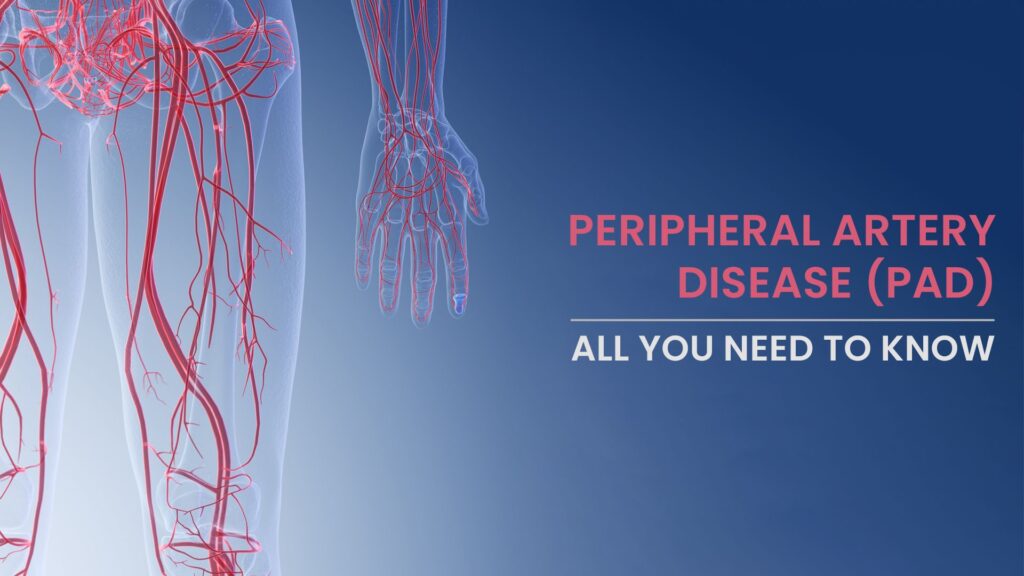
What Peripheral Artery Disease and ESKD Are — and Why They Meet Peripheral artery disease (PAD) is a condition in which arteries supplying blood to the limbs become narrowed or blocked, leading to reduced blood circulation. The disease mainly affects the legs, feet, and toes. In severe cases, blood flow becomes so poor that tissue damage occurs. PAD usually results from atherosclerosis — fatty deposits building up inside blood vessels. End-stage kidney disease (ESKD) refers to severe irreversible kidney failure in which the kidneys can no longer adequately filter waste products and maintain normal body balance. Patients
usually require haemodialysis, peritoneal dialysis, or kidney transplantation.
PAD is particularly common and dangerous in patients with ESKD. Individuals with kidney failure have a significantly higher risk of developing vascular disease because of chronic inflammation, diabetes, hypertension, abnormal calcium metabolism, and accelerated atherosclerosis. PAD in kidney failure is often more severe, progresses faster, and carries a higher risk of complications:

limb amputation, infection, poor wound healing, cardiovascular disease, and death. Many patients remain undiagnosed until the disease is advanced. PAD affects millions worldwide. In patients with end-stage kidney disease, prevalence is significantly higher, disease is often more severe, and mortality rates are increased. Older adults and diabetic patients are particularly vulnerable.
Why Kidney Failure Worsens Arterial Disease
Patients with kidney failure are at very high risk for vascular disease. Several factors contribute:
Accelerated atherosclerosis
Chronic inflammation
Diabetes mellitus — one of the strongest contributors; damages blood vessels, nerves, and small circulation
Hypertension — long-term high blood pressure damages arterial walls
Vascular calcification — in kidney failure, calcium and phosphate metabolism become abnormal; calcium deposits form in arteries and stiffen blood vessels
Chronic inflammation — persistent inflammation in kidney disease accelerates vascular injury
Smoking — worsens arterial narrowing and poor circulation
Dyslipidemia — abnormal cholesterol promotes plaque formation
Dialysis-related factors — repeated vascular stress and chronic illness contribute to progression
Clinicians sometimes group major causes with the mnemonic SHACK:
S — Smoking
H — Hypertension
A — Atherosclerosis
C — Chronic kidney disease
K — Kidney failure mineral imbalance
Risk factors — remember DASH POD
D — Diabetes (most important risk factor)
A — Age advanced (risk rises significantly after 50; high-risk group above 65)
S — Smoking
H — Hypertension
P — Poor lipids (hyperlipidemia)
O — Obesity
D — Dialysis duration (longer duration increases vascular damage)
Other contributors include family history, genetic predisposition, and sedentary lifestyle.
How PAD Develops: From Plaque to Gangrene
PAD develops gradually through arterial damage and reduced circulation. The pathophysiology mnemonic NARROW captures the sequence:
N — Narrowed arteries from progressive plaque
A — Atherosclerosis: fat, cholesterol, and inflammatory cells accumulate after endothelial injury from hypertension, diabetes, smoking, and inflammation
R — Reduced blood flow as vessels become progressively smaller
R — Renal disease worsens damage through vascular calcification, chronic inflammation, oxidative stress, anaemia, and abnormal mineral metabolism
O — Oxygen deprivation — muscles and skin become ischaemic
W — Wound formation — severe ischaemia leads to ulcers and gangrene Kidney failure adds a layer ordinary PAD does not carry: calcified, stiff vessels that may not respond to intervention the same way, and symptoms masked by neuropathy, reduced mobility, and diabetes.
What to Look For: Symptoms — and Why Dialysis Patients Are Different
Symptoms depend on disease severity. Two mnemonics help: PALE FOOT and COLD LEG.
PALE FOOT:
P — Pain while walking (intermittent claudication)
A — Absent pulses
L — Leg coldness
E — Exercise intolerance
F — Foot ulcers
O — Oxygen deprivation
O — Ongoing rest pain
T — Tissue gangrene
COLD LEG:
C — Claudication
O — Oxygen deficiency
L — Loss of pulses
D — Discoloration
L — Limb pain
E — Exercise intolerance
G — Gangrene
Intermittent claudication — the classic symptom
Leg pain, cramping, or fatigue while walking, improving with rest. Common locations: calf muscles, thigh, buttocks.
Advanced disease
Rest pain — pain even at rest, often worse at night
Cold limbs — reduced circulation
Weak or absent pulses — foot pulses may be reduced or absent
Numbness and tingling — poor circulation and nerve damage
Skin changes — shiny skin, hair loss, thin skin, pale discoloration
Non-healing wounds — ulcers heal poorly due to poor blood supply
Gangrene — severe tissue death
Erectile dysfunction in men from poor circulation
Symptoms in dialysis patients — the trap Symptoms may be atypical because of neuropathy, reduced mobility, and diabetes. Some
patients have severe disease with little pain. Do not assume absence of claudication means absence of PAD.
Critical limb ischaemia — a medical emergency
Advanced form of PAD featuring rest pain, ulcers, gangrene, and severe ischaemia. This requires urgent vascular assessment.
For health workers at CHPS compounds, district hospitals, and dialysis units — foot ulcers in a dialysis patient should never be treated as simple wounds without vascular assessment.
Diagnosis: Ask, Examine, Measure
Early diagnosis is very important.
Medical history
Walking pain, smoking, diabetes, wound healing problems.
Physical examination
Peripheral pulses, skin colour, temperature, ulcers, bruits.
Ankle-brachial index (ABI)
Common screening test comparing ankle blood pressure to arm blood pressure. Low ABI suggests PAD.
Doppler ultrasound
Evaluates blood flow and arterial narrowing.
Angiography
CT angiography — detailed arterial imaging
MR angiography — useful in selected patients
Conventional angiography — gold standard for vascular imaging
Laboratory tests
Assess contributing factors: lipid profile, blood glucose, kidney function, inflammatory markers.
A note for practice in Ghana
ABI measurement and Doppler ultrasound may be available at some district hospitals; advanced angiography is often concentrated at teaching hospitals in Accra, Kumasi, Tamale, and other regional hubs. Dialysis units are natural screening sites — patients attend regularly, often have diabetes and hypertension, and may mention walking difficulty if asked. Build pulse checks and foot inspection into routine dialysis nursing care. Refer early when pulses are absent, ulcers are non-healing, or rest pain is present. NHIS covers aspects of chronic kidney disease care; verify vascular investigation benefits with your facility, but do not defer referral when critical limb ischaemia is suspected.
Complications: The Mnemonic GRAFT
G — Gangrene
R — Reduced mobility
A — Amputation
F — Foot ulcers
T — Thrombotic cardiovascular events (heart attack, stroke)
Other complications include limb ischaemia, infection of ulcers, widespread cardiovascular disease (PAD indicates systemic atherosclerosis), depression and anxiety from chronic pain and disability, and increased mortality from severe vascular disease.
PAD in end-stage kidney disease carries a poor prognosis if untreated. Advanced disease increases risk of limb loss, cardiovascular death, and reduced quality of life. Early diagnosis improves outcomes significantly.
Management: Flow, Feet, and Cardiovascular Risk
Treatment focuses on improving blood flow, relieving symptoms, and preventing complications.
Lifestyle modification — very important
Smoking cessation — one of the most effective interventions
Exercise therapy — supervised walking programs improve circulation
Diet and weight control — healthy diet reduces cardiovascular risk
Medical treatment
Antiplatelet therapy — aspirin, clopidogrel; helps reduce clot formation
Statins — e.g., atorvastatin; lower cholesterol and stabilise plaques
Blood pressure control — essential in kidney disease patients
Diabetes control — strict glucose management improves outcomes
Pain management — for severe ischaemic pain
Vascular procedures — when disease is severe
Angioplasty — balloon opens narrowed arteries
Stenting — keeps arteries open
Bypass surgery — creates alternative blood flow pathways
Amputation — necessary in irreversible tissue death
Foot care in dialysis patients — extremely important
Patients should inspect feet daily, wear proper footwear, and treat wounds early. Dialysis nurses and patients themselves are the first line of defence.
Prevention in kidney disease
Good diabetes control, blood pressure management, smoking avoidance, healthy diet, regular exercise, and lipid control all reduce vascular damage and plaque progression.
Psychological and Social Impact
PAD affects mobility, employment, independence, and emotional well-being. Fear of amputation, depression, and social isolation are common. In Ghana, where livelihoods often depend on physical work, leg pain and ulcer fear carry real economic weight — acknowledge that alongside vascular assessment.
What Patients and Families Should Know
If you are on dialysis and your legs hurt when you walk but feel better when you sit — that pattern has a name, and it may be treatable. If a toe wound is not healing after two weeks of dressings, ask about your foot pulses. Ask about ABI. Ask for vascular referral. Cool feet, dark toes, and pain at night are not normal ageing in a dialysis patient. They are warnings. If you are a clinician running a dialysis shift, you see these patients every week. Check pulses. Look at feet. One absent dorsalis pedis pulse in a diabetic dialysis patient is worth more than a dozen clean dressing changes on an ischaemic ulcer.
Key Takeaways
PAD is narrowed or blocked limb arteries, usually from atherosclerosis; ESKD dramatically increases risk and severity
Major drivers: diabetes, hypertension, smoking, vascular calcification, chronic inflammation, long dialysis duration
Classic symptoms: intermittent claudication, rest pain, cold limbs, absent pulses, non- healing ulcers, gangrene
Dialysis patients may have severe PAD with atypical or minimal pain — screen actively
ABI and Doppler are key investigations; angiography is gold standard for detailed imaging
Critical limb ischaemia is a medical emergency
Management combines lifestyle change, antiplatelet/statin therapy, glycaemic and blood pressure control, foot care, and vascular intervention when needed
PAD signals widespread cardiovascular risk — heart attack and stroke risk is high
Early recognition preserves limbs and lives Success in PAD with ESKD is often partial at first — a healed toe wound, a preserved foot, a patient who can walk to dialysis without stopping three times. That partial success starts with checking the pulse nobody thought to feel.
For specialist vascular care in Ghana, ask your dialysis team or primary clinician about referral to a teaching hospital vascular service. If you are a health worker managing dialysis patients, integrate foot inspection and pulse checks into every session, and refer without delay when ulcers, absent pulses, or rest pain are present.
Medical disclaimer: This article is for general health education only. It does not replace
examination, diagnosis, or treatment by a qualified doctor. If you are on dialysis and have leg
pain when walking, cold feet, non-healing wounds, or absent foot pulses, please seek care at
your nearest health facility.
Disclaimer
The information contained in this post is for general information purposes only. The information is provided by Peripheral Artery Disease and End Stage Kidney Disease and while we endeavour to keep the information up to date and correct, we make no representations or warranties of any kind, express or implied, about the completeness, accuracy, reliability, suitability or availability with respect to the website or the information, products, services, or related graphics contained on the post for any purpose.