

Introduction
Hypertensive disorders of pregnancy remain one of the leading causes of maternal and perinatal morbidity and mortality worldwide. Conditions such as chronic hypertension, gestational hypertension, preeclampsia, and eclampsia demand careful management because treatment must protect both the mother and the developing fetus. The choice of antihypertensive medication during pregnancy is therefore guided not only by effectiveness but also by safety.

Among the drugs historically and widely used in this context is Methyldopa, a centrally acting antihypertensive agent. For decades, methyldopa has been regarded as one of the safest options for managing hypertension in pregnancy. Its long track record, relative fetal safety, and predictable pharmacology have made it a mainstay, particularly in low-resource settings.
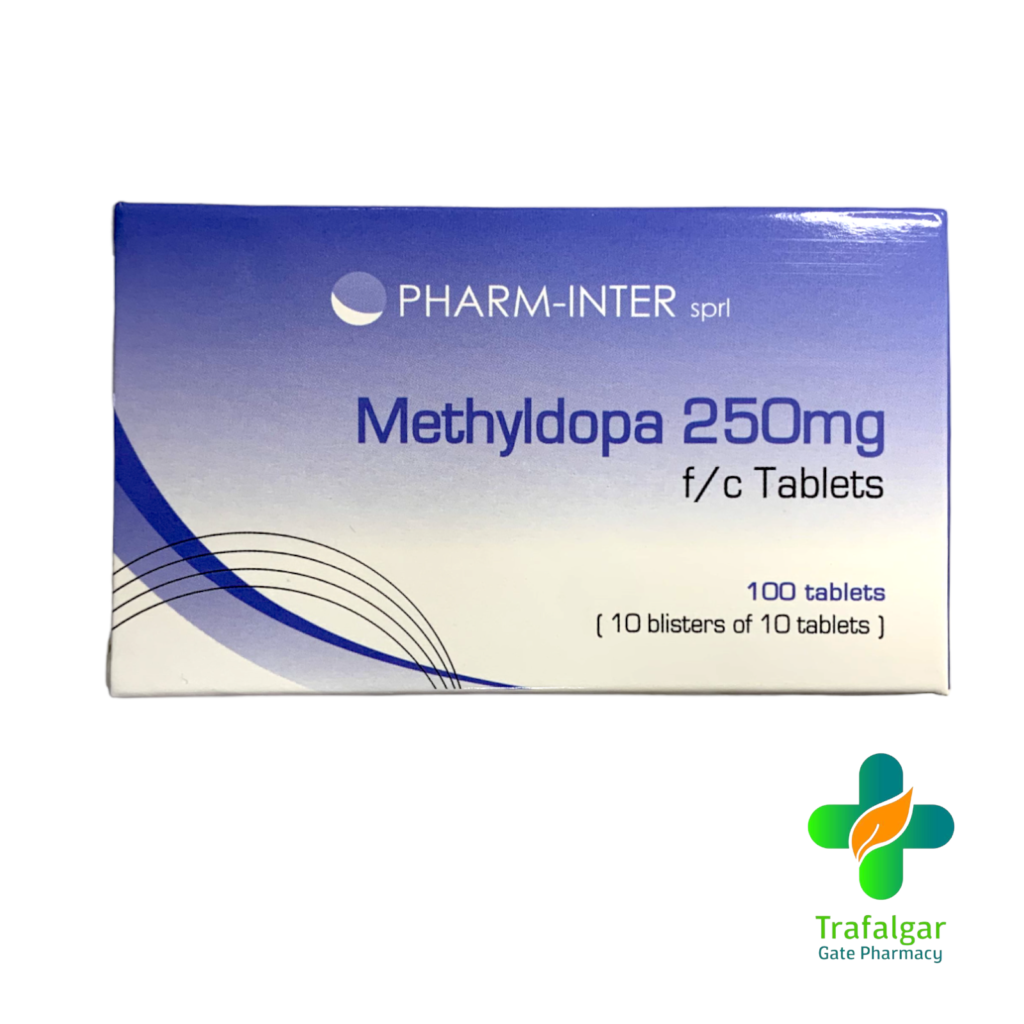
However, methyldopa is not without its limitations. Beyond common side effects such as sedation and fatigue, there has been ongoing discussion about its potential association with mood disturbances, especially postpartum depression. This raises important clinical questions: Is methyldopa still the best option? How significant is its impact on mental health? And how should clinicians balance risks and benefits?
This article provides a detailed, practical, and clinically relevant exploration of methyldopa’s role in managing hypertension during pregnancy, alongside an in-depth discussion of its potential influence on postpartum mental health.
Overview of Hypertension in Pregnancy
Hypertension in pregnancy is broadly classified into:
- Chronic hypertension – present before pregnancy or diagnosed before 20 weeks
- Gestational hypertension – develops after 20 weeks without proteinuria
- Preeclampsia – hypertension with proteinuria or organ dysfunction
- Eclampsia – preeclampsia with seizures
These conditions can lead to serious complications including placental abruption, fetal growth restriction, preterm delivery, and maternal organ damage.
Effective blood pressure control is therefore essential, but overly aggressive reduction can compromise placental perfusion. This delicate balance explains why only selected antihypertensives are recommended in pregnancy.
Pharmacology of Methyldopa
Methyldopa is a centrally acting alpha-2 adrenergic agonist. It works by reducing sympathetic outflow from the brain.
Mechanism of Action
After administration, methyldopa is converted in the brain to alpha-methylnorepinephrine. This compound:
- Stimulates central alpha-2 receptors
- Reduces sympathetic nervous system activity
- Lowers peripheral vascular resistance
- Leads to a gradual reduction in blood pressure
Unlike many other antihypertensives, methyldopa does not significantly reduce cardiac output or uteroplacental blood flow, making it relatively safe for the fetus.
Role of Methyldopa in the Management of Hypertension in Pregnancy
1. First-Line Agent in Many Settings
Methyldopa has long been considered a first-line treatment for mild to moderate hypertension in pregnancy. Its use is supported by decades of clinical experience and safety data.
2. Safety Profile
One of the strongest reasons for methyldopa’s continued use is its safety:
- No strong evidence of teratogenicity
- Minimal effect on fetal growth
- Safe for long-term use during pregnancy
- Compatible with breastfeeding
Studies following children exposed to methyldopa in utero have shown no significant adverse neurodevelopmental outcomes.
3. Gradual Blood Pressure Control
Methyldopa produces a steady and controlled reduction in blood pressure, avoiding sudden drops that could compromise placental perfusion.
4. Use in Different Trimesters
Methyldopa can be used throughout pregnancy:
- First trimester: considered safe
- Second and third trimesters: commonly used
- Long-term therapy: suitable for chronic hypertension
5. Use in Resource-Limited Settings
In many parts of the world, methyldopa remains widely used due to:
- Affordability
- Availability
- Familiarity among clinicians

Comparison with Other Antihypertensives in Pregnancy
Although methyldopa is effective, newer agents are increasingly preferred in some settings.
Alternatives Include:
- Labetalol – often first-line in many modern guidelines
- Nifedipine – useful for both chronic and acute control
- Hydralazine – used in severe hypertension
Why Methyldopa Is Still Used
Despite the availability of alternatives, methyldopa remains relevant because:
- It has a long safety record
- It is well-tolerated by many patients
- It is accessible in low-resource settings
However, its slower onset and side effect profile sometimes limit its use.
Side Effects of Methyldopa
While generally safe, methyldopa has several notable side effects:
Common Side Effects
- Sedation
- Fatigue
- Dizziness
- Dry mouth
- Headache
Less Common but Important
- Depression or mood changes
- Liver dysfunction
- Hemolytic anemia (rare)
Sedation and fatigue are particularly relevant during pregnancy, as they may affect daily functioning.
Methyldopa in the Postpartum Period
After delivery, blood pressure may remain elevated or even worsen temporarily. Methyldopa can still be used in the postpartum period, especially in breastfeeding mothers.
Advantages Postpartum
- Safe during lactation
- Familiar dosing
- Effective for mild hypertension
However, this is where concerns about mental health become more clinically significant.
Understanding Postpartum Depression
Postpartum depression is a serious mood disorder that affects women after childbirth.
Key Features
- Persistent sadness
- Loss of interest or pleasure
- Fatigue
- Sleep disturbances
- Feelings of guilt or worthlessness
- Difficulty bonding with the baby
It is more severe than “baby blues” and may require medical intervention.
Risk Factors
- Hormonal changes
- Previous depression
- Stress
- Lack of social support
- Complicated pregnancy or delivery
The Link Between Methyldopa and Postpartum Depression
The relationship between methyldopa and postpartum depression is complex and still debated.
Biological Basis
Methyldopa affects central neurotransmitters, including:
- Dopamine
- Norepinephrine
By reducing these neurotransmitters, methyldopa may contribute to depressive symptoms in susceptible individuals.
Clinical Observations
Some studies and clinical experiences suggest:
- Increased reports of depressive symptoms in women taking methyldopa postpartum
- Higher likelihood of fatigue and low mood
- Possible worsening of underlying depression
However, the evidence is not entirely consistent, and other factors (such as hormonal shifts and psychosocial stress) also play major roles.
Clinical Considerations
1. Screening for Depression
Women on methyldopa should be monitored for:
- Mood changes
- Persistent fatigue
- Loss of interest in daily activities
Early screening tools like the Edinburgh Postnatal Depression Scale can be helpful.
2. Risk-Benefit Assessment
Before continuing methyldopa postpartum, clinicians should consider:
- Severity of hypertension
- Patient’s mental health history
- Availability of alternative medications
3. Switching Medications
If depressive symptoms develop:
- Consider switching to labetalol or nifedipine
- Monitor blood pressure closely
- Provide psychological support
4. Patient Education
Women should be informed about:
- Possible mood changes
- Importance of reporting symptoms early
- Availability of treatment options
Practical Approach to Management
During Pregnancy
- Start methyldopa for mild to moderate hypertension
- Monitor blood pressure regularly
- Assess for side effects
- Adjust dose as needed
After Delivery
- Reassess need for antihypertensive therapy
- Monitor for signs of postpartum depression
- Consider alternative drugs if mood symptoms arise
Advantages of Methyldopa
- Proven safety in pregnancy
- Long history of use
- Affordable and accessible
- Minimal fetal risk
Limitations
- Sedation and fatigue
- Slower onset of action
- Possible association with depression
- Less preferred in modern guidelines compared to newer agents
Future Perspectives
With advances in pharmacology, newer antihypertensives with better tolerability profiles are becoming more widely used. However, methyldopa continues to play an important role, especially in settings where cost and accessibility are major considerations.
Further research is needed to:
- Clarify its link to postpartum depression
- Identify high-risk patients
- Optimize individualized treatment plans
Conclusion
Methyldopa remains a cornerstone in the management of hypertension during pregnancy due to its well-established safety profile and effectiveness. Its ability to control blood pressure without compromising fetal well-being has made it a trusted option for decades.
However, its use in the postpartum period requires careful consideration. The potential association with postpartum depression, though not conclusively proven, is clinically important. Healthcare providers must remain vigilant, balancing blood pressure control with mental health outcomes.
Ultimately, the management of hypertension in pregnancy and the postpartum period should be individualized, taking into account both physical and psychological well-being. By combining careful monitoring, patient education, and appropriate medication choices, clinicians can ensure optimal outcomes for both mother and child.
Disclaimer
The information contained in this post is for general information purposes only. The information is provided by Methyldopa in Pregnancy-Related Hypertension and Its Link to Postpartum Depression: A Practical and Clinical Perspective and while we endeavour to keep the information up to date and correct, we make no representations or warranties of any kind, express or implied, about the completeness, accuracy, reliability, suitability or availability with respect to the website or the information, products, services, or related graphics contained on the post for any purpose.